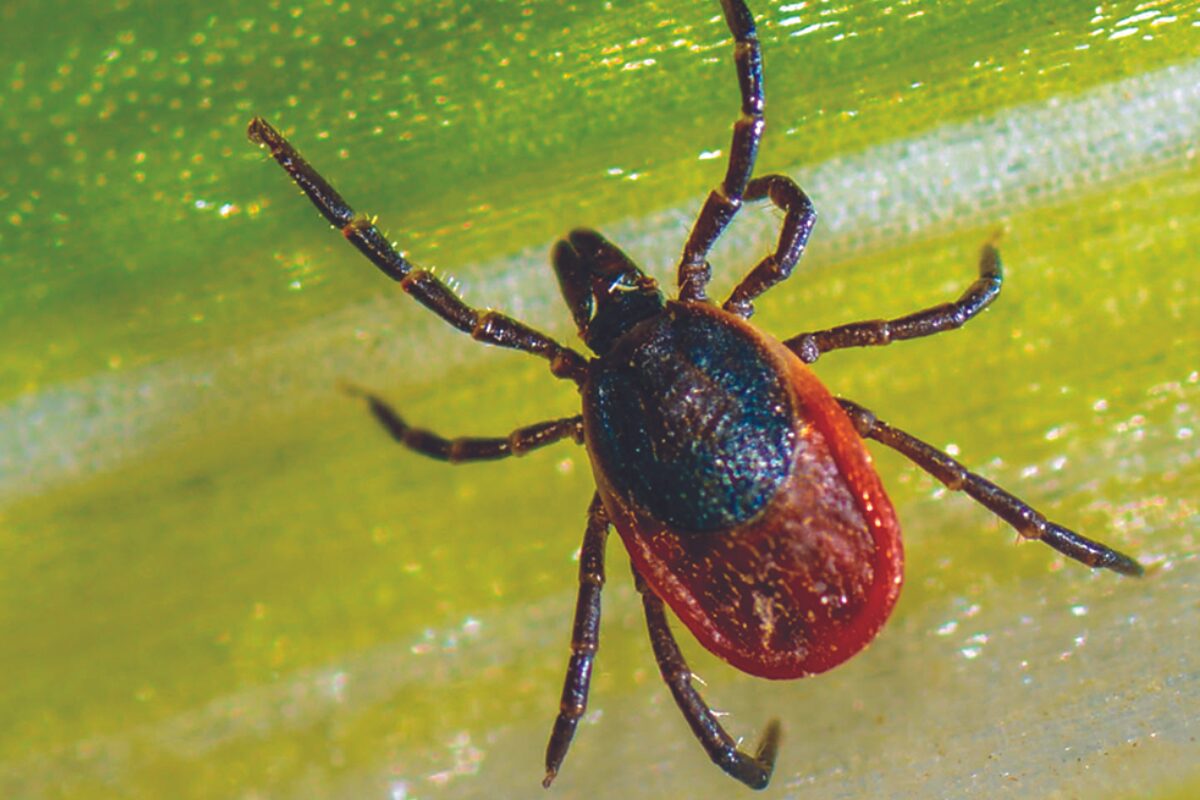
Jonesboro, AR – Jonesboro Right Now – As summer temperatures peak across Northeast Arkansas, local experts are warning residents that a severe uptick in tick activity is posing a double threat to area families and their pets.
A primary driver of recent concern is the rising spike in Alpha-gal syndrome (AGS), a condition where a simple tick bite can completely alter a person’s way of life. AGS is a potentially life-threatening food allergy to red meat and mammalian products.
In September 2023, Arkansas became the first state to mandate that AGS be legally reportable. Since reporting began, data from the Arkansas Department of Health show that confirmed state cases have surged from 70 in 2023 to 345 in 2024, followed by another 285 in 2025.
Today, antibody testing suggests that up to 39% of the state’s population has been exposed to the sugar molecule responsible for the condition.
| DAILY BRIEF: Sign up for the Jonesboro Right Now Daily Brief Newsletter
Unlike typical food allergies, Alpha-gal symptoms are delayed, taking anywhere from four to 10 hours to set in after eating mammalian meat or dairy products. This makes the allergy difficult to diagnose—a challenge that local doctors expect to see more of as more people spend time outdoors.
“We obviously see more tick bites in the summer because it’s warm and people are outdoors,” said Dr. Mark Wiggins, MD, of St. Bernards First Care. Because AGS reactions occur hours after a meal, Wiggins noted that many residents don’t initially connect severe stomach cramps or hives to a steak they ate at dinner.
Beyond Alpha-gal, doctors are actively diagnosing and treating traditional tick-borne infections that carry severe risks.
“The two we see the most are Rocky Mountain spotted fever and ehrlichiosis,” Wiggins said. “They mimic the flu with fever, chills, and fatigue, which is why knowing you recently pulled a tick off is a critical piece of medical information. Left untreated, these conditions can quickly escalate.”
At the Northeast Arkansas Humane Society (NEAHS), combating these parasites is a daily battle.
“The ticks are bad this year,” said Lisa Trevathan, NEAHS community outreach coordinator. “Ticks are everywhere.”
The shelter places every arriving animal on an immediate preventative protocol, administering vaccinations alongside fast-acting flea and tick medications. The stakes are particularly high for outdoor cats, who face Cytauxzoon felis, or “bobcat fever”—a rapid, tick-transmitted disease, often caused by the Lone Star tick, that can be fatal within days if left untreated.
Trevathan warned that veterinarians in the area are seeing a distinct spike in bobcat fever cases this month. She advised owners to immediately watch outdoor pets for sudden lethargy, refusal of food or water, pale gums, high fever, or heavy breathing.
Keeping pets protected serves as a critical shield for the human owners sharing their homes. Because ticks are opportunistic, they frequently use pets to enter homes.
“Your dog goes into places that you traditionally wouldn’t go, so it’s common for a tick to hitchhike from an animal to a person,” Wiggins warned. “Keeping pet regimens up to date stops that transmission into the household.”
Trevathan agreed, noting she has multiple friends currently navigating the severe lifestyle restrictions of Alpha-gal.
“It’s crazy that a little bitty tick can mess animals and people up this badly,” she said.
Experts recommend the following advice to protect you and your pets against any tick-related issues:
- Keep your lawn mowed, utilize pet-friendly yard sprays, and maintain year-round monthly preventative medications for all cats and dogs.
- After walking trails or doing yard work, check your clothes and skin before showering. Run your hands thoroughly over your pets to feel for hidden bumps, as ticks easily blend into dark fur.
- If a tick attaches, use fine-tipped tweezers, grab the tick at the head as close to the skin as possible, and pull straight up. Distressing the tick with matches or petroleum jelly causes it to regurgitate its saliva into your bloodstream, increasing the risk for infection.
If you experience fever, rashes, or stomach cramps after eating meat, seek medical attention immediately. As Trevathan noted, “It’s always easier to be safe than sorry.”
| DAILY BRIEF: Sign up for the Jonesboro Right Now Daily Brief Newsletter