
Jonesboro, AR – JonesboroRightNow.com – Our medical community gets better at detecting cancers every day.
Advanced imaging and testing coupled with public education efforts, lifestyle enhancements, and technological breakthroughs have dramatically improved the outlook for someone facing a cancer diagnosis.
In fact, a recent study from the American Cancer Society shows cancer deaths among people under the age of 50 dropping 44 percent since 1990. These survival rates keep improving for breast, lung, brain, and blood cancers, each to varying degrees.
If the story stopped there, we could say that we’re on the right track – early detection of all cancers followed by effective treatment. One cancer, however, has proven more than a statistically troubling outlier. It’s been deadly, and we’re seeing more of it in men and women alike in their 20s, 30s, and 40s.
This disease, called colorectal cancer, develops near the end of the gastrointestinal tract in the large intestine. More than 150,000 Americans face a new diagnosis every year. Even worse, more than 50,000 people in the U.S. die from colorectal cancer annually, and mortality rates have risen 1.1 percent every year for two decades among people under the age of 50.
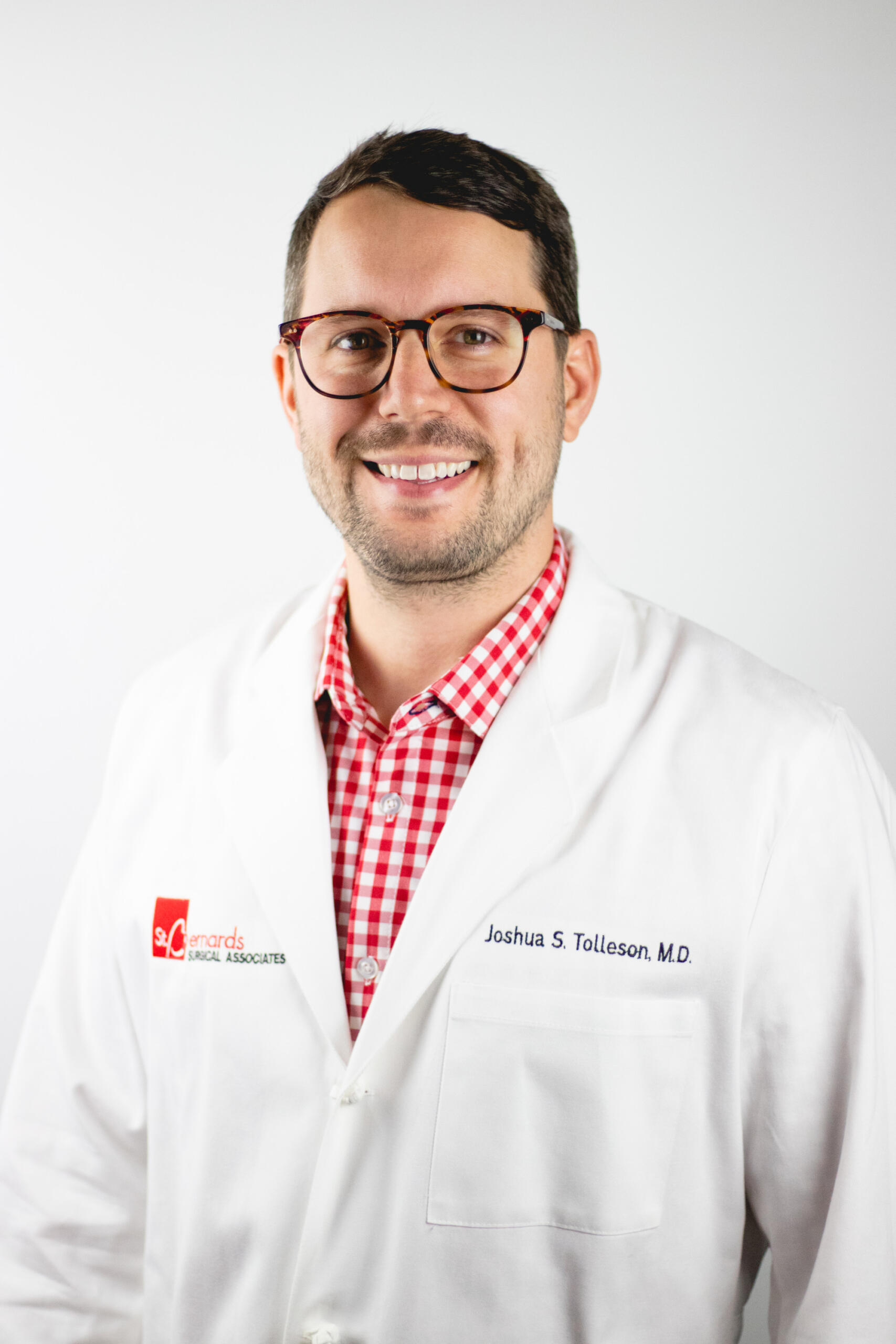
As a general surgeon who operates on colorectal cancer, we find more advanced cases of it in young people than ever. Many of these individuals may not meet or realize they meet screening recommendations. Consequently, estimates cite three in four people under the age of 50 diagnosed with colorectal cancer face localized or metastasized spread.
So what can we do?
If You’re Eligible, Get Screened
Our society likes to say that 50 is the new 40, but that’s not true for colorectal cancer screenings. For years, the recommended screening age has been 50 for individuals with an average risk of disease. It’s now changed to 45, and it may be even lower if you have risk factors like a family or personal history of cancer or inflammatory bowel disease (like ulcerative colitis or Crohn’s).
Make sure to have open, honest conversations with your primary care doctor about these risk factors. You’ll even find that screening options have expanded and improved beyond your grandparents’ colonoscopies.
Remember, when it comes to colorectal cancer, 45 is the new 50.
Don’t Ignore Warning Signs
It’s easy to write off common conditions like chronic belly pain, bloating, constipation, diarrhea, fatigue, or blood in the stool. In many cases, we can attribute their causes to something much less serious than colorectal cancer.
Still, it’s often a slow-growing disease. The presence of any symptom that aligns with cancer warrants a discussion with your doctor.
Consider Lifestyle Changes
We can’t control genetics or family history, but we can control other risk factors that lead to colorectal cancer. Excess body weight, sedentary lifestyles, smoking tobacco, and drinking alcohol can all increase our risk.
Do your best to exercise regularly with an appropriate intensity while maintaining a diet that builds muscle but keeps off body fat. Finally, if you smoke, seek out a cessation plan, and if you drink alcohol, limit your consumption.
Take Action
There’s hope, because your story doesn’t have to align with a statistical trend. Be part of the group that reverses it.
If you haven’t done so already, schedule a yearly appointment with a primary care doctor, and learn more about colorectal cancer screening options at St. Bernards by visiting https://www.stbernards.info/.